Showing posts with label Nephrology Fellowship. Show all posts

Thursday, July 5, 2018

Congratulations New Fellows

Congratulations to the incoming class of Nephrology fellows!
I’m one of you! I went to way too many interviews and had the pleasure of meeting several passionate nephrologists and fellows. I’m confident that there are a lot of amazing, talented physicians among us.
While we may not meet each other again until our 2nd year of fellowship, I was hoping we could plan to build a stronger social network to stay abreast of the year ahead of us and affect change.
As a start, I wanted to point out a few resources available for us to use once we’re fellows in July of 2018: 1. Societies: Sign up to ASN, NKF and ISN. It’s free for fellows and gives you access to journals [Like JASN and CJASN through ASN; KI through ISN], NephSAP and grants for travel and research. ASN allows you to sign up for free as a resident, so, you could start there for now. 2. Travel Grants: Once you enter your second year, you’ll be able to go to several conferences. Here’s a running list of courses and conferences, several of which offer travel grants for fellows. [P.S: If you’re a medical student/resident, ASN and NKF have travel grants for conferences for you too!] 3. Grants. As your research interests develop, feel free to look here for opportunities for funding. 4. Social media. Please join the Renal Fellow Network blog [this one right here!], twitter and the NSMC [Nephrology Social Media Collective]. While the NSMC has already enlisted their amazing group of interns, applications will be open again for the next year. For this year, NSMC was accepting applications till January 1st, 2018.
There are several challenges that I’m aware of facing us in nephrology today. I’m going to list a few in the hopes that you will find some of these areas to be worth your while to work on in the near future.
As I write this, health policy in the field of nephrology is changing. For instance, a bill was introduced in October, 2017, which, on the surface appears to provide integrated care for dialysis patients. However, I have some concerns related to the bill pertaining to its ability to limit small and medium sized dialysis organizations from functioning, in addition to further severing the transitions of care between CKD and dialysis for patients. We need more physicians discussing bills like this in private and in public to help advocate for the future of our profession as well as our patients. As a group, we can make a difference.
The reputation of nephrology among medical students and residents has also changed over the last few years. Currently, I do not believe there are consistent websites or resources for interested applicants to look at to make an informed decision on nephrology. While there are a lot of negative things that are being said about our field, you are all here for a reason. I hope that we can use this blog to reinforce our reasons and convince future applicants to make the right choice for their career, whatever it may be.
One of the easiest and productive ways for us to make a difference in health policy, education, recruitment, clinical research and our career as nephrologists is to improve our collective social presence. This is why I think it’s important for you to consider joining this blog or the NSMC, if you haven’t already. [links above]
The Renal Fellow Network blog was created to be by the fellows and for the fellows. I hope you will join me in keeping that promise. Posted by Yuvaram Reddy

Sunday, May 20, 2018

Dear Future Independent Investigator in Nephrology ...

As part of an effort to organize some materials relevant to career development for budding physician-scientists in my division, I wrote the following letter and deposited it on a shared drive. Since it might be helpful to other renal fellows thinking about starting a research career, I wanted to also leave it here on RFN. I hope someone finds it helpful!


***
Dear Future Independent Investigator in Nephrology,

If you are reading this letter, congratulations! You either have chosen or are seriously considering a challenging but rewarding career path as a Physician-Scientist in one of the most complex fields in medicine. Your efforts will contribute much needed work in improving the lives and longevity of patients with kidney disease. You are a rare bird: during a time when the American nephrology work force hasn't been at its peak, you have proven yourself to be an excellent clinician and are poised to ask the most pressing and relevant scientific questions that will actually make a difference in clinic.

The purpose of this letter is to arm you with as much information as possible for you to land your academic dream job. In a perfect world, we wouldn’t have to worry about grants and papers – we could just do the science we love. And yes, you should absolutely work on the questions that keep you up at night. But to make that dream goal a reality, there are a few milestones to hit, which will be addressed here. During the fellowship / instructor years, you will need to work towards obtaining a career development award (CDA) - this is your golden ticket to getting a job as an independent PI. Someone high up the political ranks at a prestigious institution once told me that really the CDA, especially a non-institutional NIH K, is a "hunting license" to go land a job. It's a nod from the NIH that yes you can successfully obtain extramural funding and is a good stepping stone towards developing your own research program and obtaining future R-level funding. But let's get back to where you are right now, as a fellow.

The Science. Your first task at hand is to pick a feasible primary project that truly fascinates you. Don't pick one that you think will just lead to a convenient paper; if you're not interested in what you're studying, your motivation levels will be down, and on top of that you won't sell the strongest pitch to grant and paper reviewers. Your curiosity about your project will be a strong motivating factor to keep pushing it along. Do pick one that will lead to 2-3 solid first-author papers over the course of your training period. Be sure to have one primary project and at least one smaller low-risk side project, in case the primary project does not quite work out. With a good research mentor, this task shouldn't be too difficult; if there are problems with the project and you feel at odds with your mentor, you should seek advice from your other mentors, which brings me to my next point.

Mentors: It Takes a Village to Raise a Physician-Scientist. Having good mentoring is a key ingredient to success. It doesn't matter how smart you are; if you don't have solid mentoring, you may not be able to find your way. But here's the rub: there is no such thing as one great mentor who would be everything to you. Your primary research mentor may be absolutely fantastic, but he or she cannot be or provide everything you need. You'll have your primary research mentor, a separate career mentor who may or may not be directly in your field, a life mentor who is not your parent, and your peer mentors who have their boots on the ground and can provide directly helpful tips but also empathize with the day to day frustrations. And don't forget to be a good mentee - be organized, be receptive to feedback, take ownership of your projects/career/mistakes/successes, and make the most of your time with your mentors. To succeed, you'll be building your own village of mentors who can provide complementary perspectives and also keep you sane. Doing so takes effort, which brings me to ...

Persistence. The path you have chosen is certainly not the one of least resistance. Some people get lucky, but you can succeed even if you don't come across a scientific windfall. To succeed, you must persist. You must never give up. You will have good days, and you will have bad days, but through the bad days your resilience and drive will keep you moving forward. And yes, you will see on social media that your med school and residency classmates are enjoying expensive cars and vacations while you are still on a fellow / instructor salary, but you just have to refocus on the task at hand, even if it's a bad day. One of my friends and colleagues said to me, "You know, we are in this either because we love it so much that we won't give up, or because we are so bull-headed and stubborn that we keep hanging on because we don't want to admit ourselves that we made a crazy choice, or both." Some things might be out of your control, but how you respond to the unexpected in terms of bouncing back with resolve and determination will allow you to get the final outcome you want. 

Planning. Being organized and hitting the milestones outlined by your division and mentors will be key to making sure you are moving towards your goals in a timely manner. Plan out your projects, grants you may be expected to obtain, manuscripts to write – having a concrete timeline for these things will keep you on track career-development-wise so that you can continue to do the science you love.

Productivity. You can have all the most brilliant ideas in the world, but no papers means no street cred for funding. For the F32, you don't necessarily HAVE to have a first author paper to be funded, but it would certainly help as those awards also go to competing PhD candidates. For the K, you will definitely need more than one first author original research manuscript to be competitive, so this is a factor that needs to be planned - the papers can be small, so get what you can into print. Don't hold on to everything for the one Nature paper you're hoping to put out; publish and present as often as you can in the beginning because the feedback is part of your training too and because no one expects you to have a Nature paper as an MD fellow. Review papers don't count as much, but they are good to have in your Biosketch and can provide the background / significance of your grants.

Creating an Emerging National Profile. Part of the benefit of presenting at meetings is to get your name out there. It is also good to network when you can - sometimes good ideas and collaborations spring up from these interactions. Also, it is good to have that national profile building for the job search and to have it as a foundation for the more distant future when you are being considered for promotion. Yes, Twitter can help a little, but you want your reputation to be built on concrete achievements such as data presentation at meetings or engaging in concrete roles in national societies.

Taking Ownership. So physicians who haven't taken time off from school to go work in a non-academic job have a special phenotype of living an extended adolescence during training. This is good and bad, but now that you are emerging from the training phase of your life, it is important to understand that the next phase of your career development will require you to take control and ownership of how you want to shape your career. I sound like I am stating the obvious, but having such structured GME curricula and sometimes micromanagement during clinical service can leave you in the habit of passively going through the motions of completing requirements. Outside the GME umbrella, you are in control of your own destiny and chasing opportunities. I quite like that aspect of graduating from GME and actually found it empowering.

 *** When all of these elements are cooking together, you will get what you need in terms of funding to start your career. It is an exciting time to join the Physician-Scientist workforce in nephrology - there is much work to be done, and your success will benefit the lives of your patients. You've got this!

Sincerely,
Jennie Lin, MD MTR
May 17, 2018

Monday, June 5, 2017

ASN Fellows Survey -- Last Chance!!


The ASN is conducting a critical FELLOWS SURVEY about your experiences in training and future goals/expectations in nephrology. They need more fellows to participate and represent our field well. The survey is ANONYMOUS and very helpful in developing ASN initiatives to understand the job market, improve nephrology, and make our lives better in the future.

Complete the survey and YOU COULD WIN:
  • Complimentary registration to the ASN Board Review Course ($995 value) OR
  • Complimentary ASN Membership for 1 year AFTER fellowship ($375 value)
Please look for the survey in your inbox from GW University. The deadline is Friday June 9, 5pm EST. Check your spam folder if you don't receive it in case the email from GWU got blocked.

Please email Kurtis Pivert (kpivert@asn-online.org) with questions or if you do not receive the survey in your email.

Thank you for your help,

Rob Rope, Stanford Nephrology Fellow.
On behalf of the ASN Workforce and Training Committee.

Monday, January 9, 2017

Nephrology Business Leadership University

See below for details on a very interesting looking course for Renal Fellows:
We are excited to introduce a new innovative program available to Nephrology Fellows -   Nephrology Business Leadership University (NBLuniv.com)
NBLU is a unique week long program that brings together a diverse faculty of practicing Nephrologists, hospital and dialysis provider executives, and other healthcare professionals who will share their insights on leadership, the business of nephrology, and the evolving healthcare landscape.  Most sessions are held in a workshop format and are highly interactive and individualized.  

Fellows attending a NBLU rotation can expect to leave with:
1.Ability to evaluate potential employers for the ultimate fit
2.Enhanced leadership and business understanding to bring to potential employers
3.An understanding of the ever-changing payment / reimbursement landscape
4.The know-how to embark as a solo practitioner or as a high impact member of a group practice
5.Confidence approaching the interview process
6.Knowing you have the tools to start your career in the right direction

Topics Covered:
-Billing & Coding Workshop
-CV and Interview Tips
-ACOs, ESCOs Basics
-How to find the right job
-Growth Strategies for your practice
-Marketing 101
-Practice Management
-How to Review Employment Contracts
-Financial Planning
-Much Much More.......

NBLU will hold its second annual program from August 7th to August 11,2017 in Plano, Texas.
Since we would like to keep the sessions very interactive space is limited. 

Registration is free and can be done on the website NBLuniv.com

Travel support, hotel accommodations, and most meals are provided to all fellows that are attending.  There should be little to no out of pocket expenses to the fellow or their training program.

Program Organizers - University of California San Diego Division of Nephrology  & Dallas Renal Group (dallasrenalgroup.com)

TESTIMONIALS FROM FELLOWS ATTENDING LAST YEAR CAN BE VIEWED ON WEBSITE!  NBLUniv.com
Nephrology Business Leadership University

If you or your program director has any questions please feel free to contact me at cmiracle@ucsd.edu

Wednesday, June 29, 2016

2nd Midwest Transplant Symposium


Free accommodation is available for nephrology fellows and residents (IM or Surgery) for Friday night (October 14) at Home 2 Suites (rooms are limited). To apply for free accommodation, please email Laura Kipper lkipper@wustl.edu 
Go here for registration and more information

Friday, February 6, 2015

#MyNephroStory: A Rewarding Journey

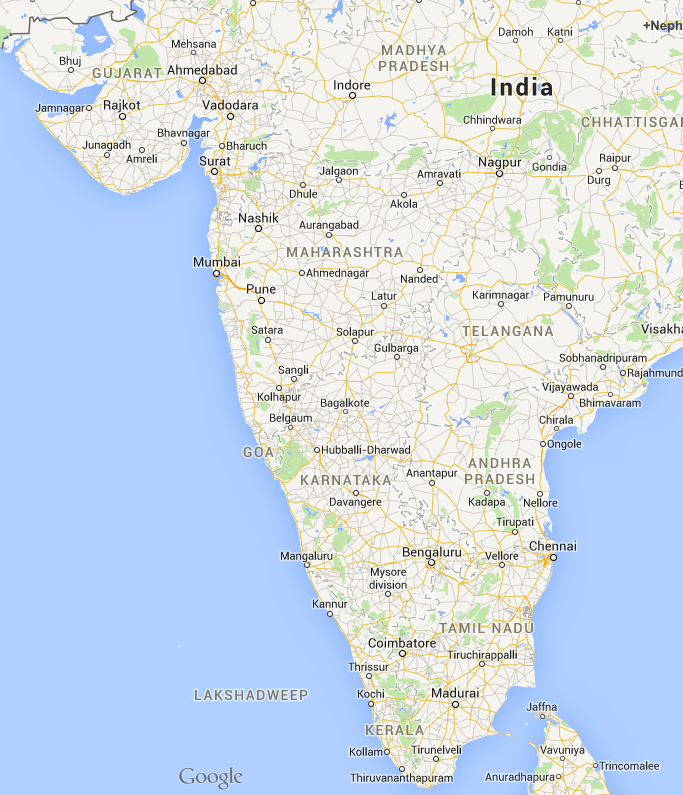
There is a lot of discussion about the recent nephrology Match in the US and everyone is discussing what’s wrong with nephrology? Why is the interest in Nephrology waning? Like most people I took a unique journey to nephrology and maybe by sharing my tale it will inspire others to take up nephrology. I went from a small town, Jalgaon, in India to nephrology fellowship in Canada.

Screen Shot 2015-02-05 at 7.27.54 PM.png
My journey to renal enlightenment began on a wet monsoon night in Pune, India where I was on call in the ICU during residency. We had a patient dying of multi-organ dysfunction and he desperately needed dialysis. The only dialysis machine available was a vintage Drake Willock beast that had sprung a leak. We called the on-call nephrologist, a new recruit at the time, for help. After a we saw this dripping wet, unassuming guy carrying not a stethoscope but a screwdriver. This nephrologist gets down on his hands and knees, pulls out the section of the Drake Willock, identifies the leak and fixes it, all in about 15 minutes. The patient survived and I knew right then, I wanted to be a nephrologist. From that moment on I was wide eyed boy in the candy shop for anything nephrology.

The rain soaked nephrologist was Dr Valentine Lobo, and he took me under his wing, and guided me through residency and then through nephrology fellowship. He was the mentor that was always there, teaching me to place lines, do biopsies, place PD catheters. We covered the widest swath of nephrology, we did pediatrics, electrolytes, transplant, pathology. We went to the lab to measure creatinine and do HPLC drug levels. I remember placing a dialysis line in a man receiving chest compressions for a hyperkalemic arrest. I remember doing plasmapheresis for aHUS and staring at the foley tube waiting for the first trickle of urine after a transplant. I sprinted from the clinic to the lab with containers of warm urine to search for dysmorphic RBC and RBC casts. He was the best mentor, knowledgeable, excited and encouraging. He made nephrology not just my vocation but my destiny.


In 2009, I was a final year nephrology fellow and was looking for some information on the net and stumbled across UKidney, Initially I thought it was some renal-inspired spoof of YouTube, but as I explored the site I saw the structure and vision of it’s creator, Dr Jordan Weinstein. and I wrote him about who I was and what I was doing. Specifically, I asked him about nephrology training in Canada and what were the possibilities. I never really expected a reply, but once again a senior nephrologist noticed my enthusiasm and took the time to write back with encouraging words to give Canada a try. 
So, that is what I did, and three years later I landed in Edmonton at the University of Alberta with my pediatrician wife and 3 -year old daughter, to start another renal roller coaster ride. We arrived in November and until that moment, my experience with snow was limited to defrosting the freezer. I had never seen so much white stuff in my entire life. But when you are excited about nephrology what’s a couple of feet of snow? 
The fellowship was in renal transplant and was wonderful. I continued at U of A as a nephrology Fellow after my Transplant Fellowship. Every moment is a new learning experience, every staff is loaded with #NephPearls, and everyone is eager to teach. I bet it is a two way street, probably my “kid in a candy store” attitude helped. Recently, with the help and urging of my program director, Dr Mark Courtney, I began exploring social media. He sent me a #NephJC link saying this is something I would be interested in, and once again I launched myself into another facet of nephrology education with the same wide eyed zeal that made me choose this beautiful specialty. 
Looking back, honestly, I would change nothing. I would still go to medical school and still select nephrology. It has everything that a branch can offer and enough unknowns that I remain that “wide eyed boy in the candy store”. I remember the excitement with which I opened my brand new copy of Schrier’s text in 2008 and it is with the same tingling excitement I open my twitter account every day. New research, new people, new thoughts, new ideas, all geared to improve the life of the kidney patient – why wouldn't I choose nephrology, It ROCKS!

Authored by Nikhil Shah 
NMSC Intern & Nephrology Fellow at University of Alberta Hospital 

Wednesday, December 17, 2014

The future of nephrology training: A fellow's perspective


Much is being said about the steady and dramatic decline in applications to nephrology training programs. The recent match shows a continuation of this trend: 67.9 percent of offered positions filled, leaving 50% of US programs unfilled on match day. The writing is on the wall: the number nephrology training positions needs to shrink. However, there is going to be no agreeable and easy way to decide which program should reduce size or close its doors. Should we let programs decide what to do individually or should we defer decisions to some governing body? Should programs that go unfilled be forced to reduce numbers or shut down, the so-called “survival of the fittest” model? Or should we create an algorithm to decide how to reduce positions more equitably?

Tejas Desai posted a paper that describes a more equitable model by allocating training positions according to ESRD prevalence in US states/jurisdictions. In his model, he estimates that fewer jurisdictions would reduce in size under an equitable model compared to the “survival of the fittest” model. An “equitable” process using an algorithm is attractive because it would distribute the allocation of positions based on some objective measure, like ESRD prevalence. This would benefit training programs that have a harder time recruiting. An equal proportions model may “share the pain” so certain regions are not affected disproportionately than others, thus retaining program directors and training infrastructure for when applications rebound (assuming they will).

As a fellow in training, I worry that any algorithmic approach to this problem will be focused too heavily on the needs of the training program and not the applicants. In that sense, the “survival of the fittest” model is more oriented to a fellow’s actual needs. Program desirability is likely driven by a mix of perceived program quality and factors unrelated to quality like geographic region, cost of living, or job opportunities for spouses, for example. In this thin market with so few applicants, program quality is not as much of a distinguishing factor. I think it’s safe to assume that fellows will work hard everywhere and that training program directors and faculty truly care about fellow education at all programs. In that sense, these factors not directly related to program quality will likely influence an applicant’s decision. I think it’s safe to assume that if these factors matter today, then they will likely be valued again by applicants in future years. If we are truly on board with a mission to increase interest in nephrology, we can start by paying attention to where people want to train and why. The NRMP Match rank list is a reasonable way to understand this.

Simply allocating positions based on ESRD prevalence or any other equitable algorithm favors at-risk programs, but it does not take into account trainee preferences. Many trainees desire specialized training in transplantation, glomerulonephritis, interventional nephrology, clinical research, basic science research, medical education, quality improvement, or health informatics. Some programs are more desirable because they can provide these individualized opportunities for career development. Access to one of these programs might be more limited through an algorithmic approach to training position allocation. Who knows, if word got out that positions have been weighted to regions based on ESRD prevalence alone, it may perpetuate the stereotype among residents that nephrologists are nothing more than dialysis technicians, missing the breadth and depth of actual practice. If fewer positions are made available in highly desirable programs, then it would be wrong to assume an applicant will be just as happy or available to train elsewhere. Given that some applicants desire certain locations due to factors like job opportunities for spouses, reducing positions in those desirable locations may be enough to convince the applicant to choose an alternative career like hospital medicine for example, where opportunity is abundant.

The nephrology community should remember that the primary issue is lack of interest. Efforts to increase interest should be at the center of the discussion. Deciding how to reduce positions will be controversial and it will be tough to find agreement. Maybe the best solution will need to consider everyone’s needs equally: considering applicant choices/preferences and also minimizing program dissolution. One model for position allocation could be based on an incentive for producing more nephrology applicants: You get fellowship training positions if you contribute to the applicant pool by mentoring/developing the residents and students at your institution. This would actually address the underlying problem wouldn't it? I applaud Dr. Desai for starting this conversation. Even if some final complex algorithm is required, I just hope that applicant and fellow preferences are not ignored.

Monday, September 8, 2014

CJASN Activities

Two ASN-related activities to mention happening in the next couple of months. First, CJASN eJC will be hosting a twitter conversation about the recently published commentary "Training the Next Generation's Nephrology Workforce. This will be hosted by Amar Bansal, a fellow at UPenn who is the author of the article. It will take place on September 10th at 9pm and the hastag is #CJASNeJC.

The second event is a fellows luncheon at the ASN annual meeting on November 13th from 12.45 to 1.45pm. This is titled "Improving the journal club experience for fellows" and will be moderated by Drs Gary Curhan and David Goldfarb. An email will be sent in September/October to all registered fellows with the ASN.

Monday, May 16, 2011

Impact of restricted duty hours on nephrology fellows

The Accreditation Council for Graduate Medical Education (ACGME) continues to restrict resident duty hours in an effort to improve patient care related to resident fatigue. These restrictions are beginning to impact fellowship training as the shift in workload moves from interns to residents to fellows. 

2003 (my intern year) was the initial implementation. The 80-hour work week averaged over 4 weeks and the 24+6-hour rules were put into place (new pt. admits for the first 24hrs, but the last 6hrs just dealing with old pts.). I believe these were good initial steps. Working 30+ hour shifts every 4th day is quite taxing on the body and mind and could not have been good for patient care. However, other issues became evident that were not anticipated. First, many residency programs shifted to a "night float" system. Which in reality is just "shift work". The problem was in the patient "handoff" from one shift to the other. Physicians in-training were not as well versed in making succinct and meaningful patient handoff's to oncoming teams and this in and of itself can lead to medical errors. The second problem is that the work still has to be completed and new residents were NOT in the agenda (and they still aren't). In fact, the number of internal medicine residents have remained stable over the last several years

Hospitalist programs have emerged in academic medical centers to help cope with the increasing case load-- I can hardly recall an academic Hospitalist program prior to 2003. The popularity in hospitalist programs continues to increase each year. 

Nephrology, cardiology and pulmonary critical care fellowships are all in vulnerable positions as each are assigned a significant amount of inpatient  service. This position of vulnerability is only going to get worse as the duty hour restrictions get even tighter on July 1, 2011. During this iteration interns will only be able to work for 16 straight hours and 2nd and 3rd year residents will need to leave after 24-hours of continuous duty. For a comparison of 2003 and 2011 ACGME duty hour policies click here. Who is going to fill in the void?  Many nephrology training programs are beginning to take more inpatient responsibility. This is of concern because more time on the inpatient service means less time on outpatient rotations. Outpatient training in fellowship programs is critical to producing well-trained doctors.

Secondary to these issues RFN conducted a poll before the July 2011 rules change went into effect to see how nephrology fellows are currently impacted. Interestingly there seemed to be two different opinions. Either no change in work load or an actual increase in perceived workload compared to residency. I can only speculate as to why these two different opinions exist.  It could be secondary to the different types of nephrology training programs (research oriented vs. clinically focused).  Or could be due to the difference in work load allocation (e.g. strong hospitalist presence vs. light hospitalist presence).  I will be interested to see how the new changes will impact duty hours in nephrology, but also cardiology and pulmonary/critical care.  RFN will conduct another poll after the new duty hours rules are put in place. My hope is that nephrology program directors with strive to preserve the outpatient experience. Furthermore, nephrology is already finding it difficult to recruit interested applicants into the field. Further increases in the already busy nephrology fellowship schedule will only make it more difficult.   

Tuesday, May 10, 2011

Nephrology fellow satisfaction survey

Interest in nephrology as a career continues to decline as highlighted by this recent editorial entitled "The Future Nephrology Workforce: Will There Be One" in CJASN.  This article, which was presented at ASN in Denver as the Summit on Increasing Interest in Nephrology, highlighted several negative comments about nephrology on the student doctor network threads and concluded with 4 areas to improve interest in nephrology. 
"1. Develop creative educational rotations that focus on often-overlooked areas in nephrology, such as AKI, critical care nephrology, hypertension, interventional nephrology, and transplantation.
2. Implement strategies for increasing interest among students and residents.
3. Produce an annual report on the state of the nephrology fellowship.
4. Use social media to highlight the positive aspects of nephrology careers."

In order to better understand if nephrology fellows are currently satisfied with their decision to go into nephrology we created a quick survey with the Editors of Nephron Power.  Click here to take this survey. 

I commend the authors of the editorial in shedding light to this important topic.  I'm also happy they included social media as a platform to increase exposure and nephrology-related educational initiatives.  I am happy with my decision to go into nephrology.  I think this is an exciting time for new research that will hopefully lead to better health care for patients with kidney disease and hypertension.  This site, the Renal Fellow Network, is proof that there will be a dedicated Future Nephrology Workforce.  Nephrology continues to offer a wide variety of career paths and the specialty has many unique facets which is what attracted many of us to this specialty.  Lets continue to educate and advance our field.

Friday, August 6, 2010

Chronic dialysis exposure during nephrology fellowship

Much of medical residency training in the US is centered in the hospital. This is also true of many of the fellowship programs in internal medicine. As we have seen a continual increase in the number and acuity of patients admitted to the hospital. The number of house staff have remained static. The busy nephrology fellow spends a majority of time rounding on inpatient services, answering consults or arranging renal replacement therapy for patients already on some form chronic dialysis who happen to be admitted to the hospital. Typically, outpatient exposure to CKD and transplant come during the fellow's weekly continuity clinic. However, obtaining adequate exposure to patients on some form of chronic dialysis performed either in-center or at home can be challenging. An online survey of 133 recent nephrology graduates (2004-2008) published in the March 2010 CJASN showed that 81% were well-training in caring for primary care issues in patient with CKD/ESRD. They also showed that 80% felt that they were well-trained/competent in in-center hemodialysis, but 60% and felt that little or no training was offered in home HD. This same survey showed that 78% had little or no training in dialysis unit directorship. The majority of respondents to this survey were recent graduates (>2 years since fellowship).

RFN decided to conduct a poll to see whether or not nephrology fellows were well-prepared to attend chronic outpatient hemodialysis clinics. Our results were a little different than the one published in CJASN. Out of 63 total respondents to our poll, only 14 or 22% felt that they were 100% prepared for chronic hemodialysis clinics. 25, or 39% felt that they had good exposure, but would like more. Interestingly, 22 or 34% of respondents indicated that much more exposure was needed. What do we make of this poll? It is clear that nephrology training is heavily centered in the hospital. How do we shift our focus out of the hospital to gain not only more exposure to chronic "stable" patients, but more longitudinal continuity of care? This is really where learning happens. Following patients on a long term basis is the only way to learn about the ever changing nutritional, access related, weight adjustment etc. etc. etc. issues that patients on chronic renal replacement therapy have. I would be interested to hear about the different outpatient experiences fellows from programs around the US and world have. We typically spend 6 consecutive months dedicated to following a group of patients on a given dialysis shift with the close supervision of an attending. Patients are seen weekly while on dialysis. Fellows with an interest in home-hemodialysis or nocturnal dialysis can choose to follow these patients as well. This allows for the fellow to have a great deal of continuity of care. In conclusion, from the results of the RFN poll it appears that nephrology fellows are wanting more exposure to chronic hemodialysis. Trying to balance each of the different areas of nephrology education can be difficult, but chronic dialysis needs to be a centerpiece of any successful fellowship program.

Sunday, July 11, 2010

Why do medicine residents specialize in nephrology?

RFN was curious to see why medicine residents decide to pursue nephrology training? Obviously, this in a decision that has multiple factors.

Results from the RFN poll (73 total)-
58% of all respondents to our poll thought that the ability to make challenging diagnoses was an important factor in making this decision. I was surprised to see that this was just as important as having an influential mentor (46% during residency and 12% during medical school). 47% of respondents felt that the mix of inpatient and outpatient care was important. As medical care becomes increasingly fragmented (i.e. hospitalist strictly stay in the hospital and family medicine/general internal medicine are increasingly restricted to the outpatient setting) nephrology remains one of the few internal medicine specialties with such a profound dual role. 31% of respondents felt that the ability to establish a long term relationship with a patient was important decision maker. ICU and kidney transplant exposure came in at 26% and 16% respectively. Interestingly, only 16% felt that nephrology being a financially rewarding career was important. I wonder what the results of GI or cardiology poll would look like? The future of nephrology is in our hands. Recruiting interested medicine residents in extremely important to ensure that our field continues to thrive. The field of nephrology has many interesting facets that are unique. I welcome any comments about the poll or if anyone has other reasons they chose nephrology please let us know.

It appears that most people decide to specialize in nephrology because it is challenging, offers an exposure to a wide array of patients (i.e. ICU vs. inpatient vs. transplant vs. outpatient) and they were significantly influenced by a mentor.

Monday, June 28, 2010

Vas-cath exposure variability


How many vas-caths did you (the renal fellow) place during your clinical year (1 year)?

Poll results:

0-5 (IR does most of these) 4 (4%)
0-5 (Surgery does most of these) 2 (2%)
0-5 (IM residents do most of these) 3 (3%)
 0-5 (combination of IR, Surgery and IM) 12 (13%)

6-10            8   (9%)
11-25        17 (19%)
26-50        16 (18%)
51-100      12 (13%)
101-150    11 (12%)
151-200     2 (2%)
>201           4 (4%)

Total Respondents- 91

Looks like there is quite a bit of variability in the number of vas-caths performed by renal fellows. I was actually a little surprised by this. Looks like the majority of folks perform anywhere between 11-100 vas-caths in a year. However, 21 (23%) fellows actually placed fewer than 5 (majority were placed by a combination of VIR, Surgery & IM residents) in a year. 4 fellows placed >201 in a year, quite an impressive number for sure. I'm fairly confident that the number of vas-caths placed by fellows is decreasing somewhat each year. I bet this is from the rise of vascular interventional radiology gobbling up all of the procedure in the hospital. I wonder what this data would look in 4-5 years from now.

Friday, June 18, 2010

Ultrasound guided vas-cath placement

Much of the clinical year of the renal fellow is spent in the hospital rounding on patients admitted with access malfunction, catheter related infections or are in the ICU's with acute kidney injury. Many of these patients will require temporary dialysis access that in many cases will be life saving. Nate has already nicely discussed the debate between when to choose the femoral vs. the internal jugular vein in a previous post. These lines have the potential to pose many difficulties as patients with renal failure can have difficult and limited access sites. A difficult line can be avoided with appropriate training and imaging. We are fortunate to have an ultrasound readily available in our dialysis unit for vas-cath placement, but many hospitals do not.

An interesting article was published in the Feb 2010 CJASN by Prabhu et al in which 110 patients were randomized into two groups. One group had ultrasound guided femoral catheter placement and one group did not. The results, not surprisingly, showed that patients who had ultrasound guided vas-cath placement had a higher overall success rate (98.2% vs. 80%), better first attempt success rate (85.5% vs. 54.5%) and had few complications (5.5% vs. 18.2%). Furthermore, of the 11 patient who did not have a successful catheter placed without ultrasound guidance, 10 of these had success with use of the ultrasound in the exact same leg. This article also reviewed 3 other studies comparing ultrasound vs. standard landmark techniques. These studies show similar results.

Another interesting article was published in AJKD in 2009 by Barsuk et al from Nothwestern University. This study looked at the use of an ultrasound compatible central line simulator (like on the picture above) and deliberate practice before actually placing lines on patients. Again two groups were assessed in an unblinded fashion.


  • Simulator Group- 12 first-year fellows were trained with the simulator and tested before and 2 weeks after the intervention with a 27 item clinical skills examinations checklist (available from the supplementary data).
  • Traditional Group- 6 graduating second-year fellows were tested using the simulator once during the last 2 months of their fellowship.

Results from this study also showed benefit using the central line simulator. Interestingly, only one of the six graduating fellows met the minimum passing score. The simulator group improved dramatically from a score of 29.5% to a score of 88.6%. The course was highly rated by the attendees. It would be interesting to see if complications rates went down after the intervention. Also, I wonder if the higher scores would hold up over time. If I took the same test in a 2 week interval, I'm pretty sure I would score much higher on the second attempt. Especially after attending a 2 hour course.

I hope that more nephrology programs begin instituting programs like the simulator course. Likewise, ultrasound guided vas-cath placement needs to become standard practice. This can only help patient care and improve the competency of the graduating fellows. That being said, how many times do nephrologists in private practice put in temporary catheters? As the interventional radiology field continues to grow, this is surely decreasing.

Thursday, May 27, 2010

Plans after nephrology fellowship?

The academic year is almost over and many renal fellows can finally see the long awaited "light" at the end of the tunnel. Two first year renal fellows and Nephron Power blog contributors from North Shore-Long Island Jewish Health Center in New York, Dr. Deepti Torri and Dr. Kellie Calderon, have created a quick 9 question survey to find out what graduating fellows are doing. If you are finishing your nephrology fellowship this June 30th, 2010 please take a few moments to fill out this survey. Click here to take survey

Wednesday, February 3, 2010

The trials of a lab rat...

I was on the phone to one of my friends the other day. He's a renal fellow currently doing lab-based research in Boston. He's been having a difficult time of it lately, with none of his experiments working out, and has understandably been getting a bit frustrated and disillusioned.

Me: "So, how's your research going? Any major breakthroughs?"

G: "Well, I've had an epiphany!"

Me: "An epiphany, that's fantastic! About time!"

G:"What do you mean fantastic, I said a rat pissed on me! I think I'm going to switch careers..."

Well, I thought it was funny...