Showing posts with label cardiovascular disease. Show all posts

Thursday, August 21, 2014

Renal Function after Off- or On-Pump CABG: CORONARY Trial is next #NephJC

The next Nephrology online journal club (#NephJC) will discuss the results of the CORONARY Trial, presented at the late breaking session at the ASN and published this year in JAMA. The trial compared patients undergoing their first coronary artery bypass graft (CABG) surgery using an off- or on-pump technique. The main study published previously revealed no difference with respect to the composite outcome of 30-day mortality, myocardial infarction, stroke or acute kidney injury (AKI) requiring dialysis. The renal function trial was a prespecified substudy involving 2975 (of a total 4752) consecutive patients enrolled in CORONARY with baseline and post-operative serum creatinine data. The renal substudy patients had similar characteristics to the overall CORONARY population.

Outcomes of Interest:
  • Post-operative AKI was defined as a 50% increase in the serum creatinine concentration within 30 days of surgery (highest creatinine within 30 days was used).
  • Loss of renal function at 1 year = 20% loss in eGFR (using CKD-EPI).
Patients:
  • Worldwide enrolment with 42% from Asia and the remainder mostly from Europe (21%) and the Americas (<1% were African American).
  • Baseline characteristics of note were a mean age of 68 years, BMI 27, >80% male, almost half were diabetic and a similar number of ‘urgent’ cases between the groups.
  • Almost a quarter had CKD (eGFR <60mls/min) and the mean eGFR was 74-75mls/min in the 2 groups.
Results:
  • There were 561 AKI events (median time of 2 days post-op to peak creatinine) with a reduced rate with off-pump (17.5%) V. on-pump (20.8%) surgery (adjusted RR 0.83 [CI 0.72-0.97]; p = 0.01).
  • Mean eGFR at 1 year was 72 mL/min with off-pump and 73 mL/min with on-pump.
  • No significant difference in loss of eGFR at 1 year between off-pump (17.1%) V. on-pump (15.3%) surgery (P = 0.23).
  • Those with CKD derived a greater benefit in reduced AKI with off-pump surgery but eGFR loss at 1 year remained insignificant.
  • Over 200 patients crossed over between the groups (evenly split) and results of the intention to treat were similar to as-treated analysis.
  • Multiple alternative definitions of AKI & loss of kidney function did not alter the main results.
Discussion:
Dialysis requiring AKI has detrimental effects on long-term kidney function. Less severe AKI is more common with major cardiac surgery (only just >1% had AKI requiring dialysis in the original CORONARY trial). It is less clear what effect these more subtle derangements have on long-term function. This study suggests that these ‘mild’ AKI events may not have much longer-term significance, contrary to observational studies [ref, ref]. As pointed out by the authors, this finding has implications for other interventions in mild AKI such as for contrast nephropathy. Does preventing a subtle GFR dip in this scenario have a long-term benefit? The study is limited somewhat by the unique situation studied in the trial (although cardiac surgery provides a very ‘convenient’ insult in which to study AKI). Also, we are relying on serum creatinine and all its limitation to assess kidney function. Moreover, not all eligible patients had creatinine values measured and single measurements and imputed values were often used for the analysis.

Verdict:
This study provides good evidence that off-pump CABG decreases the rate of non-severe AKI but that this does not appear to translate into better renal function at 1 year. When I first heard the results of this study at the ASN (a somewhat deflating session along with lots of other negative/inconclusive Nephrology studies), I was disappointed with the small magnitude of the AKI decrease with off-pump surgery. I had expected the toxic milieu associated with on-pump surgery (aortic cross clamping, exposure to bypass circuit, changes in blood pulsatility) to be associated with much higher rates of AKI, compared to off-pump. The study also questions my preheld assumption that acute drops in GFR, from mild to severe, had a continuous magnitude of impact on long term renal function.
Feel free to get involved by joining the live Twitter chat on Tuesday 26th August at 9pm Eastern using #NephJC. Also, check out www.nephjc.com for more background and past journal clubs.

Saturday, November 30, 2013

Cholesterol Management.


Cholesterol management, what to do?
New guidelines on managing cholesterol were published in Circulation this month by the ACC/AHA task force. As we spend much of our time in CKD clinic managing cardiovascular risk factors such as blood pressure, diabetes, lifestyle factors and cholesterol I think it is important we are up to date on the latest guidelines.
The task force based their recommendations based on randomized controlled trials based on fixed doses of statins in those at risk for atherosclerotic cardiovascular disease. The authors also emphasize the continuing importance of lifestyle modification for the reduction of ASCVD.

Those who benefit from statins are (Task Force Summary):
1. Individuals with clinical ASCVD
2. Individuals with primary elevations of LDL–C ≥190 mg/dL
3. Individuals 40 to 75 years of age with diabetes and LDL–C 70 to189 mg/dL without clinical ASCVD
4. Individuals without clinical ASCVD or diabetes who are 40 to 75 years of age with LDL–C 70 to 189 mg/dL and have an estimated 10-year ASCVD risk of 7.5% or higher.

The Caveats; no evidence for statin therapy in these groups:
Primary prevention in over 75s unless clinically evident ASCVD present
Those with NYHA HF class II – IV
Those on hemodialysis

Significant changes to note:
No specific LDL-C and non-HDL-C targets recommended once on statin therapy
The de-emphasis of surrogate markers such as CRP and calcium scores.
Cautious use and clinical judgment in those over 75 years without clinical ASCVD

What about renal patients?

The Task Force Authors looked at the TNT trial and the subgroup analysis from Shepard et al. The guidelines do not explicitly recommend the use of statins in CKD patients but they do highlight the beneficial findings of high dose (80mg) atorvastatin.
Shepard et al did a subgroup analysis of the TNT trial looking at secondary prevention of major cardiovascular events in patients with an MDRD eGFR less than 60. In the original TNT study patients were age 35 to 75 and patients on long-term immunosuppression or with nephrotic syndrome were excluded. At baseline patients already had an LDL-C of less than 130mg/dl. Shepard showed that 80mg of atorvastatin reduced the RR of a major CV by 32% compared with 10mg of atorvastatin.
My impression is that we should use statins in our CKD patients but remain cautious with respect to drug interactions and side effects.


Cholesterol RCTs in renal patients (a refresher on the evidence ).
4D - Die Deutsche Diabetes Dialyse Studie.
N Engl J Med, 353 (2005), pp. 238–248
This German trial looked at 18 to 80 year olds with type 2 DM on hemodialysis for less than 2 years. Patients with LDL-C outside the 80 to 190 range were excluded as were failed kidney transplant patients. After a 4 week lipid-med free wash out patients were assigned to atorvastatin 20mg or placebo. The primary outcome was a composite of cardiovascular death. About 1200 patients were enrolled for a mean of nearly 4 years. In this trial statin did reduce LDL-C levels but there was no significant difference in the primary or secondary outcomes.
N Engl J Med. 2009 Apr 2;360(14):1395-407
Were the 4D study focused on the high risk diabetic population on HD this trial investigated the efficacy of statin therapy in the general dialysis population. Patients were 50 to 80 years and on regular hemodialysis or filtration for 3 months. Expected transplantation within the next year or statin therapy within the last 6 months excluded patients. Randomization was to rosuvastatin 10mg or placebo and the primary endpoint was cardiovascular death or non-fatal stroke or MI. Again, statin therapy reduced cholesterol levels significantly but there was no difference in primary or secondary outcomes. Further more, there was no correlation between primary outcome and baseline LDL-C or 3 month LDL-C.
Lancet. 2011 Jun 25;377(9784):2181-92.
This trial attempted to look at the effects of simvastatin 20mg + ezetimibe 10mg versus placebo on major atherosclerotic events in patients with CKD with no previous MI or revascularization3. About 3000 of the 9000 patients were on dialysis. The authors concluded that combination therapy produced a relative risk reduction of 17% for major ASCVD outcomes. This trial came in for a lot of criticism mainly because the authors appeared to extrapolate their results by assuming all patients actually took their assigned meds. 2700 patients were enrolled for a mean trial length of over 3 years.
ALERT (Assessment of LEscol in Renal Transplantation)
Lancet, 361 (2003), pp. 2024–2031
This study assessed the use of statin therapy on transplant patients. Enrolled patients were between 30 and 75 and had a kidney or KP transplant for more than 6 months with stable renal function. All patients were on ciclosporin and had total cholesterol levels between 4 and 8 mmol/l. Patients were excluded if they had rejection in the last 3 months or were already on statin therapy. 2100 patients were enrolled and followed for a mean of 5 years. Randomization was to fluvastatin 40mg or placebo. The primary end point was cardiac death, non-fatal MI or coronary revascularization. Fluvastatin lowered LDL-C by 32% but there was no significant difference in the primary endpoints. Interestingly in this study only about 13% in each group had diabetic nephropathy and about 5% had ‘hypertensive nephrosclerosis’ as a cause of their primary renal failure. This study was conducted in Canada and Europe.

Wednesday, October 2, 2013

Statins and Chronic Kidney Disease

There is an excellent review of the use of statins is CKD in KI from last month. The authors point out that the association between LDL cholesterol and CVD is not as strong in patients with CKD, particularly in stages IV and V. In fact, the clearer association between hypertriglyceridemia, low HDL and CVD in patients with advanced CKD suggests that statins may not be the best treatment in this setting. The results of clinical trials are conflicting. However, the authors of the current study came up with some suggested guidelines for the management of hyperlipidemia in CKD reproduced below:

1. LDL cholesterol-lowering strategies include either statins or ezetemibe, or both, and target the reduction of LDL to <70 mg/dl as recommended for patients with CVD or an equivalent disorder in the general population
2. Start LDL cholesterol-lowering treatment in stages 1-4 CKD patients with preexisting CV events or those with multiple risk factors and at high risk for coronary heart disease and LDL cholesterol > 70 mg/dl
3. Continue LDL cholesterol-lowering strategies in patients developing CKD stage 1 or more or those starting dialysis who were previously on such treatment
4. Do not use LDL cholesterol-lowering strategies in CKD patients with inflammation/malnutrition, nor start such treatment in dialysis patients who are treatment-naive until additional literature data in favor of a different therapeutic approach become available

What do you think? Do these recommendations make sense?

Sunday, June 16, 2013

Vitamin D and CV Disease - Part III

For the final part of the series on Vitamin D and cardiovascular disease, we'll focus on the relevant clinical trials. Again, for full attribution, the primary source for this is the excellent review at Nature Reviews Nephrology. Parts 1 and 2 of this series can be found by clicking here and here.

Again, we'll break up the trials into categories:

1. Inflammation: As mentioned before, vitamin D has been shown to have anti-inflammatory effects in animal studies. A number of studies have examined the effect of vitamin D supplementation on inflammatory mediators. One study took ~120 patients with CHF and treated them with cholecalciferol or placebo for 9 months. Levels of anti-inflammatory IL-10 were higher and TNF was lower in treated patients. However, there was no difference in LVEF or mortality between the two groups and about 20% of patients did not complete even 9 months with more dropouts occurring in the vitamin D group. Similar reductions in pro-inflammatory cytokines have been noted in HD patients and patients with diabetes although these studies were too small and short-term to show any clinical effects.

2. Hypertension: Results from meta-analyses have been inconsistent with one study showing a non-significant decrease in BP with vitamin D therapy and another showing a reduction in systolic BP only. Currently, there is insufficient evidence to suggest that vitamin D is effective to treat hypertension.

3. Chronic Kidney Disease: Given the well-described relationship between vitamin D and the kidney, it is unsurprising that there has been a focus on CVD prevention in patients with CKD. Again, the results are inconsistent with some studies showing a benefit in terms of CV risk and others being negative. The PRIMO study examined LV mass index in patients with CKD and looked at the effect of 48 weeks treatment with activated vitamin D. There was no difference in the primary outcome among the two groups. One important point is that, in the past, there was no focus on 25OH vitamin D in patients with CKD due to the perception that it is biologically inactive. This perception is changing and there may be a role for increased 25OH vitamin D supplementation in CKD patients although this role has not yet been fully defined.

4. Cardiovascular Death and stroke: Large meta-analyses have suggested a benefit of vitamin D therapy on all-cause mortality. The results for CV mortality and morbidity are less consistent although a benefit has been shown in some trials. One issue is that most studies do not limit treatment to patients with vitamin D deficiency while subgroup analysis of some trials shows that there is more benefit of therapy in these patients. There are a number of large trials of vitamin D currently ongoing (see table below from this recent review). Hopefully we will be able to get a clearer picture of the benefits of vitamin D therapy in the near future.

Overall, the results of the intervention trials have been disappointing and inconsistent - particularly given the strength of the observational and experimental data. At this point, we still don't know the exact role for vitamin D in the prevention and management of CV disease. There is always the suspicion that unmeasured confounders have an important part to play. The best way to get an answer is by doing well-designed RCTs and perhaps when these ongoing trials are complete, we will have a fuller idea of this role.

Friday, June 14, 2013

Vitamin D and CV Disease - Part II

In the second post on vitamin D and CV disease (again largely summarizing this excellent review in Nature Reviews Nephrology), we look at the epidemiological evidence for the association of low vitamin D levels and CVD.

1. Hypertension: Data from NHANES showed that there is an inverse relationship between vitamin D levels and hypertension after full covariate adjustment. Subsequently, data from the Nurses Health Study revealed that low baseline vitamin D levels were associated with an increased risk of incident hypertension. In patients with established hypertension, low levels of vitamin D were associated with an increased risk of CV and all-cause mortality.
2. CV Morbidity and Mortality: Multiple large cohort studies have demonstrated a relationship between low vitamin D levels and CV mortality after controlling for traditional risk factors in a wide variety of populations including Europeans and African-Americans. Data from the Framingham Heart Study suggest that a low level of vitamin D was associated with a HR of 1.62 for incident cardiovascular events after about 6 years follow-up.
3. Chronic Kidney Disease: In patients with chronic kidney disease, there is a U-shaped association between vitamin D levels and CV events. However, this relationship is attenuated after adjustment for baseline GFR suggesting that the primary portion of this risk is related to the severity of renal disease (which may be the cause of the vitamin D deficiency). Low levels of vitamin D have been associated with an increased risk of mortality in dialysis patients while also being a predictor of progression to ESRD.
3. Stroke: Low levels of vitamin D have been associated with an increased risk of ischemic stroke in participants from the Nurses Health Study.

Again, it is important to point out that all of these associations do not prove causality and that there is likely a strong lifestyle or other biologic component in these associations that is not being accounted for. Next we'll look at the clinical trials of vitamin D and CVD prevention.

(Image is from Jack Maypole at The Faster Times)

Wednesday, June 12, 2013

Vitamin D and CV disease

Another excellent review from the people at Nature Reviews Nephrology on the relationship between vitamin D and cardiovascular disease. Some key points:

Low vitamin D levels are associated with an increased risk of cardiovascular disease but, given the inconsistent results seen in trials of vitamin D repletion in high-risk populations, it remains uncertain whether or not vitamin D status is a mediator of disease or a consequence of poor health (decreased exercise and sunlight exposure etc.). There are a number of known pathways associated with vitamin D that could potentially influence cardiovascular risk (these headings are summarized from the NRN paper):

1. RAAS system: As mentioned in a previous post, vitamin D is a negative regulator of RAAS. Renin and angiotensin II levels are elevated in mice lacking the vitamin D receptor (VDR). In humans with low vitamin D levels, increased angiotensin II has been noted although it should be pointed out that patients with hereditary vitamin D resistant rickets (due to a lack of the VDR) do not have elevations in RAAS hormones.
2. Inflammation: Vitamin D has anti-inflammatory effects mediated via the downregulation of IL-6 and TNF expression. Cardiac endothelial cells contain VDRs and vitamin D treatment inhibits TNF activation in these cells. Given the association between inflammation and atherosclerosis, this is a potential mechanism for the putative link between vitamin D deficiency and atherosclerotic disease.
3. Endothelial Function: In vitro treatment with vitamin D downregulates the production of pro-thrombotic proteins in endothelial cells. Vitamin D deficiency has been associated with endothelial dysfunction in human studies but again, the contribution of residual confounding in these observational studies is uncertain and may be substantial.
4. Cardiac Remodeling: Studies in rodents have suggested a role for vitamin D in the prevention of LVH and adverse cardiac remodeling in models of hypertension and cardiovascular disease.

There is growing interest in the association between FGF-23 and CV disease. Treatment with vitamin D stimulates the release of FGF-23 and may be an adverse consequence of the use of supplements in patients with advanced CKD.

Given the amount of vitamin D prescribed in the dialysis world, it is important that we understand the potential consequences and mechanisms of the risks and benefits of this treatment. For appropriate references please see the NRN review. A previous summary of the use of vitamin D in CKD can be found here.

Tuesday, October 16, 2012

Peripheral Vascular Disease and CKD


Seminars in Dialysis this month have published an excellent review of the diagnosis and treatment of peripheral vascular disease in patients with CKD. This is something that we deal with on a regular basis in the clinic and I was surprised to see that we had not dealt with this topic before on RFN. Some salient points from the article:

PVD is common in the US population and the prevalence increases with age - up to about 15% in patients over the age of 70. The prevalence of PVD in patients with CKD is far higher, one study from Italy found that 32% of patients attending a CKD clinic who were asymptomatic, had an ABI of less than 0.9 which is the traditional threshold for diagnosing PVD. Another study using NHANES data found that an eGFR of less than 60 was associated with an OR of 3.0 for PVD after full multivariable adjustment. PVD is independently associated with cardiovascular mortality and the cardiovascular risk increases as the ABI decreases. This suggests that the presence or absence of PVD could help further risk-stratify patients with moderate CKD.

Interestingly, the pathophysiology of PVD in patients with CKD (particularly those with ESRD) is different from the general population. In these patients, the primary culprit is medial calcification rather than atherosclerotic plaque formation and as a result, they often present with diffuse distal disease which is not necessarily amenable to surgical/radiological intervention. The current KDOQI guidelines recommend screening for PVD in all patients on initiation of dialysis although they do state that this guideline is not backed by much evidence and that "further research is needed". Results for primary revascularization in dialysis patients tend to be poor and there is a high rate of lower limb amputation. One issue is that dialysis patients (and those with advanced CKD) tend to have significant hardening of the arteries due to the degree of calcification and this can falsely elevate the ABI. For this reason, the authors of the review do not recommend screening of all patients with CKD and instead suggest a focused examination at each visit with a detailed history and aggressive treatment of cardiovascular risk factors. For patients who are symptomatic, an ABI followed by angiography (if refractory to medical therapy or critical ischemia) is the approach to take.

The authors have a number of nice flowcharts suggesting algorithms for the diagnosis and management of PVD in patients with CKD and I recommend giving the article a look.       

Saturday, September 15, 2012

Stress test for renal transplant candidates: select or screen all?

We have previously discussed cardiovascular mortality after transplantation. But one controversial aspect in the evaluation of potential kidney recipients is the performance of stress tests for risk stratification. With the cost of stress tests ranging from U$2,500-5,000 and the long waiting time for a kidney transplant on the deceased donor list, this is a particular important point for financial, medical and logistical reasons. 
To evaluate that, De Lima et al. studied the prognostic value of myocardial scintigraphy in 892 consecutive renal transplant candidates classified into four risk groups: very high (aged ≥50 years, diabetes and CV disease), high (two factors), intermediate (one factor) and low (no factor). After a median follow up of 22 months, 181 major CV events were observed (overall incidence = 20%): 12 (6.6%) in low-risk, 51 (28.2%) in intermediate-risk, 61 (33.7%) in high-risk and 57 (31.5%) in very high-risk patients (p below 0.0001; Figure below). This simple classification was able to nicely separate the different groups according to incidence of major CV events.


The prevalence of abnormal scan increased with the degree of risk, from 12.7% in low-risk patients to 50.8% among very high-risk subjects. Interestingly, only in patients with one risk factor (either age ≥50 years, diabetes or CV disease) was an altered myocardial stress test associated with an increased incidence of major CV events [30.3 versus 10%, hazard ratio (HR) = 2.37; p below 0.0001). Low-risk patients did well regardless of stress test results, while in patients with 2 or 3 risk factors, altered stress test did not add to the already increased risk for future CV events. 
The question that remains is whether an invasive intervention could lower the CV events in the high-risk groups and if coronary angiography should be considered instead of stress test, as proposed by some. The cost, invasiveness and risk of the procedure would likely be unwarranted until a randomized trial show benefits of revascularization in ESRD pts compared to medical management. It is important to remember that most clinical trials addressing this question excludes ESRD patients so we must extrapolate data from the general population, which do not support intervention in asymptomatic patients. An upcoming randomized controlled trial is addressing this question in transplantation: COST trial.
Until then, we have to base our decisions on observational/restrospective data and poor evidence-based guidelines. My personal approach has been not to screen low risk patients with stress test anymore but I am still performing stress tests for the intermediate and high risk patients. The reason to do a stress test on a high risk patient is not to assess for the presence or not of CV disease, but to attempt to identify a large defect, exercise-induced hypotension or angina that might warrant intervention prior to transplantation. Among the stress tests, I usually recommend a MIBI protocol with sequential exercise followed by pharmacological (if HR goal not achieved), which allows for evaluation of patient's exercise capacity and cardiac imaging to determine the burden of CV disease. For obese patients, PET may give you better images. 
To provoke even more the debate, Diamond et al. supports the approach of: "test no one and treat  everyone" for asymptomatic diabetic patients compared to "screen everyone and treat only those with an abnormal test". The authors believe that optimal medical interventions such as statins/beta blocker are sometimes ignored after a normal stress test (high false negative rate), missing an important point of intervention, which could be more cost-effective than the screening strategy. Definitely lots of fuel for more debate...
  

Saturday, April 28, 2012

PD or HD post cardiac surgery?

A few months back I was covering the inpatient consult service when one of our patients on peritoneal dialysis came in for an elective combined aortic valve replacement and coronary artery bypass grafting. She had recently switched over from in-center HD to PD and still had a functional arteriovenous graft in place. The surgery went well and the patient came out of the operating room to the cardiac critical care unit.

 As I sat reviewing the chart my attending posed the following question "So is it reasonable to continue PD here in the unit or should we switch over to HD until she's extubated and clinically improving?"

Would the increased intra-abdominal pressure from PD lead to prolonged intubation time? Given the manipulation of the thoracic cavity was there a higher risk of dialysate leak through the diaphragm? Would we be able to provide adequate clearance and ultrafiltration with PD? Would the infection risk be higher for PD given the relative unfamiliarity of the nursing staff?

A recent article in Peritoneal Dialysis International comparing perioperative outcomes in patients on PD and HD post cardiac surgery sheds some light on the situation. In the study the Southern California Permanente Group at Los Angeles Medical Center looked back at 15 years of CABG and cardiac valve replacement surgeries in ESRD patients and compared a variety of outcomes between 36 patients on PD and 76 on HD.

There were no reported significant differences between the two groups at baseline including age, dialysis vintage, presence of diabetes, type of surgery and Charlson comorbidity index.  The only statistically significant difference in terms of outcomes was a slightly longer median length of stay in the cardiac surgical unit for HD patients (4 vs 2 days) though the median total hospital length of stay between the two groups was no different (PD 9.5 days, HD 10 days).

There was trend towards more infections in the HD group (19% vs 6%) but this did not reach statistical significance. Median intubation time was the same between groups.  Survival perioperatively (defined as during the hospital stay or within 30 days of operation) and at one and two years was similar between groups (PD 89%, 81%, 69%, HD 90%, 78%, 66%).

Conversion of PD patients to HD occurred in just 6% percent of patients. One for dialysate leak and another for uncontrolled azotemia.  CRRT was needed in 1 HD patient due to hemodynamic instability.

The study doesn't answer the question of whether converting a patient on PD to HD or CRRT might improve outcomes but it does provide reassurance that PD patients don't have an excessive risk of dialysate leak or inability to achieve adequate clearance and ultrafiltration.  It also shows that in general outcomes post cardiac surgery between PD and HD patients are similar.

In our patient we continued peritoneal dialysis using an automated cycler without difficulty.  Over the weekend the covering team changed to HD via the arteriovenous graft over concern that PD might lead to a dialysate leak.  Unfortunately the patient tolerated HD poorly with episodes of hypotension so we transitioned back to PD when we came back on.  The rest of her hospitalization was without incident.

Thursday, January 12, 2012

Hold the potassium

It was not an unusual event during my clinical fellowship to get a call from the cardiac team asking for dialysis in a patient with hyperkalemia and acute renal failure. On a few occasions the hyperkalemia seemed disproportionate to the level of renal function and on further investigation, this was found to the as a result of the zealous correction of the potassium level to >4 mEq/L in patients in the cardiac unit. I have often wondered about this practice and whether or not there was firm evidence for keeping the potassium in the 4-5 mEq/L range (or even 4.5-5.5 as suggested by some authors) and so it was with interest that I read this paper that just appeared in JAMA.

As mentioned in the paper, the data suggesting that low potassium levels are associated with increased mortality are relatively old and date from an era when ventricular arrhythmias were more common following an MI. They were also generally relatively small studies. The authors of this study used a database of patients presenting to 67 US hospitals with an ICD9 code for MI and increased cardiac biomarkers. In total >39,000 patients were included.

They were looking primarily at post-admission potassium levels and their relationship with in-hospital mortality and the occurrence of arrhythmias. AS one would expect, there was a U-shaped curve for the relationship between in-hospital mortality and the potassium level. What was unexpected, however, was that the lowest mortality was seen in patients with a potassium between 3.5 and 4.5 mEq/L and that the mortality doubled in patients with a potassium between 4.5 and 5 mEq/L.


This was borne out in the fully adjusted model. The OR for in-hospital mortality was 1.96 (CI 1.64-2.34) for patients with a potassium between 4.5 and 5 mEq/L. Interestingly, the risk of a ventricular arrhythmia was the same in patients in the midrange of potassium values and only increased in patients with a potassium of below 3 or above 5 mEq/L. This contrasted with the mortality data and the authors suggested that this might be in part a result of incorrect coding of ventricular arrhythmias and is a potential limitation of the study. Also, this study certainly does not prove that replacing potassium to a level above 4.5 mEq/L is dangerous. This could only be answered by a randomized trial. There may be some residual confounders that have not been accounted for in the model. Still, as the authors point out, this study challenges current guidelines and suggest that a better target for potassium in patients following an acute MI would be 3.5-4.5 mEq/L. Perhaps we might see less of this particular consult in the future?

Friday, October 7, 2011

Shedding some light on chronic inflammation

One of the most important concepts in nephrology is that of chronic systemic inflammation and its role in increased cardiovascular (CV) risk in patients with chronic kidney disease (CKD) and those on dialysis. Despite a significant research effort the precise drivers of this inflammation have remained difficult to pin down.

Recent work has implicated bacterial lipopolysaccharide (LPS or endotoxin), a glycolipid found in the outer membrane of gram negative bacteria, in this process. (The potency of LPS as a pro-inflammatory stimulus is detailed in this extraordinary case report from the NEJM archive)

Previous work in patients with congestive cardiac failure (reviewed here) has demonstrated that relative underperfusion of the gut results in leakage of LPS from the GI tract into the circulation. A group of UK investigators analogised this situation to the haemodynamic perturbations seen in haemodialysis sessions and used this as a starting point to investigate the concentration of circulating LPS in CKD patients.

They found that
endotoxemia (i.e. circulating LPS concentrations) :
  • tended to increase with worsening CKD stage
  • showed a 6-fold increase in patients on dialysis
  • tripled at the initiation of dialysis
Combining these findings with the fact that the study demonstrated correlations between LPS levels, the magnitude of hypotensive episodes during dialysis and dialysis-induced myocardial stunning, the authors concluded that haemodialysis associated circulatory stress leads to exposure to sustained endotoxemia. Importantly, they also found a significant association between this endotoxemia and reduced survival.

So should we be giving our most haemodynamically unstable dialysis patients antibiotic treatment, or selective gram negative gut decontamination or polymyxin B haemadsorption instead of dialysis? Well, my thought is that individually tailored dialysis prescriptions to reduce CV stress during dialysis sessions are likely to be a good start in reducing LPS translocation and potentially decreasing the sequelae of this. I also note that the same group have just published a paper suggesting that plain (and good) old aggressive anti-hypertensive therapy might be a good option too.

Wednesday, August 3, 2011

Cardiovascular mortality after transplantation - Are we doing a good enough job?

The evaluation of a dialysis patient for possible kidney transplantation is a great challenge. On one side, we know that if the patient continues on dialysis, his yearly mortality will be around 20%. On the other hand, kidney transplantation carries a relative higher risk in the first year after transplantation and only those that survive over the first year will truly benefit from it. There is a classic paper from Wolfe et al. that shows when the line is crossed to the benefit side (Figure 1) in average.

Nonetheless, more than 45% of kidney allografts are lost due to death with a functioning graft, a striking number that wonders if we are doing a good enough job in selecting our potential recipients. The main cause of death after transplantation is cardiovascular disease and transplant recipients are at increased risk due to both traditional as well as transplant-specific risk factors (Figure 2).

In fact, recent analysis suggested that the traditional CV risk factors add little predictive value regarding development of coronary heart disease after transplantation. The most important transplant-specific predictors of cardiovascular events included duration of pre-transplant dialysis, new onset diabetes after transplantation and history of delayed graft function and/or acute rejection. Immunosuppressive drugs play a major role in some of these factors. In addition, advanced age, sex, race and obesity were also included to compose the PORT risk score, which predicts the probability of developing coronary heart disease after transplantation. This score performed better than the Framingham equation in the transplant population with a c-Statistic value of around 0.8.

In addition to patient selection, the post-transplant medical care is essential. A surprising observation came from Dr Gaston and colleagues' work that evaluated the use of cardioprotective medications in kidney transplant recipients. Fewer than 30% of hypertensive patients with CV disease or diabetes were taking an ACEI/ARB 6 months post-transplantation, the use of aspirin was uncommon and statins were only prescribed in half of patients. We know that there are challenges with the use of ACEI/ARB in the initial period after transplantation due to its potential confusing effect with creatinine elevation. A meta-analysis comparing the effect of these agents with the traditional calcium channel blocker (amlodipine) showed that ACEI/ARB were associated with a decrease in GFR and a lower hematocrit, though proteinuria was significantly decreased and potassium levels were not affected.

Despite their conclusion that there were insufficient data to determine the effect of ACEI/ARB on patient or graft survival, I strongly believe that extrapolating the literature from other populations is necessary due to the poor quality of trials so far. Diabetics and patients with proteinuria or history of heart failure/myocardial infarction would, in particular, benefit from those agents, in addition to statin/ASA once their kidney function has stabilized after transplantation. Highly opinion-based for now but hopefully new trials will be addressing this important question soon and meanwhile there is lots of room for improvement in the cardiovascular care after transplantation.

Monday, March 14, 2011

Diuretics in acute decompensated heart failure – evidence?

A randomized controlled trial of loop diuretics was published in NEJM two weeks ago. The trial involved 308 patients, from 26 clinical sites. The details are below:
Type:
Prospective double-blind randomized controlled trial (intention to treat analysis)

Inclusion:
Enrollment within 24 hrs of admission with ADHF
Clinical diagnosis of heart failure
History of chronic heart failure and receipt of an oral loop diuretic for at least 1 month before hospitalization, at a dose between 80 mg and 240 mg daily in the case of furosemide (or equivalent loop diuretic)

Exclusion:
SBP <90mmHg

Serum creatinine > 3mg/dL
IV vasodilators or IV inotropic agents

Intervention:
2 x 2 factorial design; 1:1:1:1 randomization, stratified on centre
High dose (2.5 x home diuretic dose) vs low dose (home oral dose)
AND
Continuous vs bolus dosing (every 12 hours) of loop diuretics
At 48 hours, the treating doctors could increase the dose by 50% (remaining blinded), make no changes (remaining blinded) or change to open-label oral diuretics

Primary Outcome:
Efficacy – global assessment of symptoms from baseline to 72 hours
Safety – change in serum creatinine from baseline to 72 hours
As these were co-primary endpoints, p<0.025 for each was required>

Results:
There were no significant differences in the either the primary efficacy or safety endpoints
between continuous vs bolus dose, nor between high vs low dose diuretics.
The patients in the high-dose group had greater relief of dyspnoea and had higher net fluid loss; however, this was offset by a greater increase in serum creatinine after 72 hours.
This is the first major trial examining the efficacy of loop diuretics in modern-day treatment of acute decompensated heart failure. It certainly is thought provoking in terms of its clinical applications and generalizability. Perhaps the first thing to note is that it excludes the sickest patients - those that need inotropes or vasodilators - patients who may be most likely to benefit from aggressive diuresis.
The use of a visual-analogue scale as a measure of symptoms seems a little hard to interpret as a primary efficacy endpoint of diuretic therapy – the editorial suggested it may be too insensitive also.
From a dosing point of view – it does not appear that subjects were given a bolus before a continuous infusion was started, something that we were always taught to do. In the bolus group, another point we were told during training is that 12 hour intervals may be too long – when a threshold dose of a loop diuretic is reached, the frequency of dosing should be increased in order to exert maximum effect. Again, major evidence is lacking for these proposed dosing strategies.
Although not powered to examine mortality, there were no differences in outcomes between the various strategies. A total of 130 patients died, were re-hospitalized or required an ED visit within 60 days. This really hits home that a lot more work is required to improve the outcomes of this patient subgroup. I’m sure this trial will receive a lot of attention from experts in the field and invite further research ideas.

Friday, February 4, 2011

The power of T

A talk recently about the HIM study at MGH (Hypogonadism In Men, Clin trial NCT00114114) prompted me to wonder about testosterone from the renal perspective.
Testosterone is important for several aspects of male health, including fertility, bone density, fat and muscle mass, and sexual function. Men with prostate cancer who are chemically or surgically castrated lose bone mass, lean body mass, have an increase in fat and a loss of libido and erectile function. However, the effects of testosterone at levels between what is considered normal (~500 ng/mL) and very low ( under 100 ng/mL in chemically castrated men) are still unclear and the subject of the HIM study.

Men on dialysis have a lot of the same changes reported with low testosterone levels: loss of lean muscle, loss of fertility, loss of libido and sexual function. Consistent with this, in a recent study of dialysis patients, testosterone levels in 47% of men were below 300 ng/mL (=hypogonadism); previous studies had reported that up to 2/3rds of men on dialysis have hypogonadism by this definition. Increased time on dialysis/ higher clearance apparently has no effect on testosterone levels. Part of the low testosterone comes from disruption of the normal pituitary pulsatile secretion of gonadotropin releasing hormone (GnRH) in renal failure, which is not restored with dialysis.
Hypogonadism has been associated with anemia, and one of the goals of this study was to see if daily testosterone gel application will reduce the need for rhEPO in a male dialysis cohort (it did not). Interestingly, the article discussed that prior to rhEPO, one of the available therapies for anemia in dialysis patients were IM injections of androgens.
Unfortunately, topical application of testosterone (100mg daily for 6 months) in this dialysis cohort of 66 randomized men also failed to improve lean muscle mass, bone density, sexual function or mood (as assessed by questionnaire), although the rise in serum testosterone with therapy was modest at best.
Interest in improving or affecting testosterone levels in the dialysis population was recently increased after this prospective study linked low serum testosterone (in this case defined as levels under 233 ng/mL) to increased cardiovascular mortality. Here, a cohort of 126 male HD patients was followed for an average of a little over 3 years. 52% of the men had a testosterone deficiency (here defined as  less than 288 ng/mL, similar with prior studies), and only ~20% had testosterone levels in the normal range.
The authors then divided the group in those that had a testosterone level below the 33rd percentile (below 233 ng/mL) vs the rest. The group with the lowest levels seemed overall slightly sicker (lower albumin, more inflammatory markers, higher epo dose, more baseline CVD). Over the observation period, ~50% of the cohort died, with the majorty of deaths from cardiovascular causes. Low testosterone levels (below the 33rd percentile) seemed predictive of mortality, even after adjustment for a history of CVD, although the significance was lost after adjustment for serum creatinine levels, perhaps reflecting a common etiology.
While these results are interesting, and even if a direct causal link is proven between low testosterone and CV mortality in the dialysis population, the difficulties of testosterone supplementation highlighted in the prior study give me pause.

Dr. Marta Hristova

Wednesday, January 26, 2011

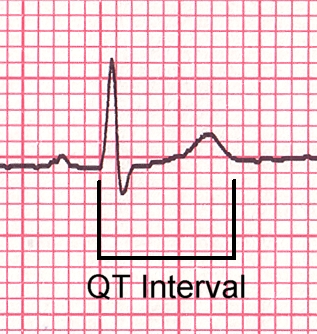
The ECG: QT Interval Abnormalities and Sudden Death in Dialysis Patients

Sometimes overlooked, QT interval abnormalities, namely prolongation and dispersion, are important predictors of sudden death to watch out for in the dialysis unit. Of these two, prolongation of the QT interval is the better studied. The QT interval is a measure of the duration of ventricular de- and re-polarization. Early after-depolarizations, which develop because of a failure of normal repolarization in diseased myocardium or due to certain drugs, result in delayed repolarization and QT interval lengthening. This is an ideal substrate for the development ectopic circuits and arrythymia. Prolonged QT is a well-established risk factor for torsade de pointes, ventricular fibrillation and sudden cardiac death.


Acquired QT prolongation in a dialysis patient has a long list of potential causes, but most important are electrolyte abnormalities (all the hypo’s: hypokalemia, hypomagnesemia, hypocalcemia) and medications. While significant electrolyte abnormalities are (hopefully) rarely missed, as they’re checked and flagged all the time, it is particularly important to pay attention to medications. A study of the prescription claims of almost 5 million patients found the unacceptably high prescription rates of QT-prolonging medications and dual therapy with two or more QT-prolonging drugs. In fact, 0.5% were taking 5 concomitant QT prolonging agents! The paper included 50 medications that prolong the QT interval and 26 that inhibit their hepatic or renal clearance. The commonest culprits are antibiotics (clarithromycin, erythromycin, levofloxacin) and anti-depressants (fluoxetine, amitriptyline, sertraline, venlafaxine).


QT interval dispersion (QTd) is less well recognized and often overlooked. QTd, the longest minus the shortest QT interval on a standard ECG, is a marker of variability in ventricular repolarization. A difference of 50 msec or more has been used as a cut-off in several studies (each small box on the ECG is 40ms). QTd is a risk factor for ventricular arrhythmias and sudden death in the general population. It also appearsto be a useful measure to identify dialysis patients at an increased risk for sudden death, based on the following:


Finally, it is worth remembering that QTd may be an epiphenomenon, as it is associated with LVH and structural heart disease, which are themselves strongly associated with sudden cardiac death in ESRD.

Friday, May 21, 2010

Chocolate for cardiovascular health?

As this is restaurant week in Durham, NC, I thought it would be fitting to blog about the health benefits of food, in particular the delicacy that is 'dark chocolate'. This is not a new idea in the cardiovascular literature, but I recently came across a brief review in Hypertension by Egan et al. on the anti-hypertensive effects of dark chocolate. Although, I doubt this topic will be tested on the nephrology boards, it will likely be consumed in large quantities while studying for them.

As reported by
McCullough et al. the Kuna Indians of Panama consume large quantities of cocoa, and, despite a high sodium intake, have a low prevalence of hypertension. However, Kuna Indians who migrate to Panama have a higher prevalence of hypertension than Islanders. Kuna Islanders consume 10 times more cocoa than those in Panama and have 80% less cardiovascular disease. This, and other evidence, has led some researchers to postulate that certain flavanols (specifically epicatechin) found in cocoa can lower BP and improve vascular function, insulin sensitivity and reduce platelet reactivity.
  • In vitro data has suggested that flavanols can inhibit angiotensin converting enzyme activity. However, this is at much higher doses than would be achieved in vivo.
  • Animal data has suggested that epicatechin can activate nitric oxide synthase causing vasodilation.
Chocolate has remained an important part of many cultures. The Spanish brought cocoa to Europe where sugar was added to sweeten the taste. The Dutch developed cocoa powder, the Belgians defined pralines, and the Swiss created a smoother texture to the chocolate by a method called conching. Milk chocolate reins supreme in the US and dark chocolate has taken a back seat unfortunately (as far as possible health benefits are concerned).

The effect of dark chocolate on blood pressure has been studied in 13 reports that were of enough quality to include in this brief review. Of these, only 6 were double-blinded controlled trials. Most of these studies only included 20-90 total subjects and the effects of dark chocolate were only measured for 4 days to 6 weeks. I would hardly call any of these studies "rigorous". In the 13 reports, 6 or the 7 open-labeled studies lowered BP (only modestly, 3-12 mmHg), while only 1 of the 6 randomized studies lowered BP (3 mmHg). This has put into question whether dark chocolate consumption actually lowers BP. It is unclear if the open labeled studies only showed the placebo effect in lowering BP or if this was truly an effect of the dark chocolate. As indicated earlier, several flaws were seen in the design of these trials. Most notable was the difference in brand of cocoa that was used in each study.
Ritter dark chocolate being used in the open label studies primarily and Mars/Dove being used in the randomised studies.

For now, there is not enough data to firmly answer the question as to the blood pressure lowering effects of dark chocolate. However, further research into the potential benefits of certain naturally occurring chemicals in chocolate, such as epicatechin, could produce novel antihypertensive agents. So, a firm recommendation for daily chocolate consumption is likely not happening any time soon.

Friday, April 9, 2010

The great salt war; population-wide salt reduction

Population-wide salt reduction is gaining increased media and political attention over the last few years. The most notable example is the National Salt Reduction Initiative (NSRI) spearheaded by New York City Mayor Michael Bloomberg. This initiative was unveiled in January of 2010 in New York City and currently multiple cities around the US have joined forces. Public policy to limit salt intake is not a new concept around the world as the NSRI was modeled after the Food Standard Agency's efforts to reduce salt intake in the UK which started in 2003. Canada, Australia, Finland, France, Ireland and New Zealand have launched similar initiatives. This effort is not without its detractors. An increasingly skeptical US public is enduring an era of less and not more government involvement. Weighing the available evidence has always been an important part of medical advancement. When this in juxtaposed with public policy and politics is when these debates begin to get controversial. The benefits of salt reduction in lowering blood pressure and reducing cardiovascular risk have been consistently seen in the medical literature both in randomized clinical trials (DASH diet) and observational studies (INTERSALT). The US diet is extremely high is salt. The average American man and woman is estimated to consume 10.4 and 7.3 grams of salt per day respectively. The US Department of Agriculture and Health and Human Services recommends 5.8 g of salt (2.3 g sodium), with a lower target of 3.7 g of salt per day for most adults (people over 40, blacks, patients with hypertension). A recently published paper by Bibbins-Domingo et al. in the February 18 NEJM attempts to answer important questions about the cardiovascular and economic benefits of population-wide salt reduction.

This study is not a randomized clinical trial nor is it a observational cohort. This study utilizes a computer-simulated cohort called a "Markov" cohort. "Markov" chains are named after Andrey Markov and are commonly used for statistical modeling in finance, economics, social sciences, physics and medicine. Bibbins-Domingo utilized the Coronary Heart Disease (CHD) model which has been used to describe trends in CHD and the effects of interventions intended to reduce the risk of CHD and cost associated with treating CHD. This model inputs known data in regards to most accurate epidemiological data in the US (census, death rates, CHD rates, heath care expenditure, risk reduction estimates etc.) into a complex "Markov" chain to determine the cardiovascular and economic benefit of reducing the salt consumptions by 3 grams per day.

Results

Reducing the number of new cases/year of
  • Coronary heart disease (CHD) by 60,000 to 120,000
  • Stroke by 32,000 to 66,000 (750,000 per year in US)
  • Myocardial infarction by 54,000to 99,000 (1.25 million per year in US)
Reduce the annual number of deaths from any cause by 44,000 to 92,000.
Save 194,000 to 392,000 quality-adjusted life-years

Save $10 billion to $24 billion in health care costs annually


The results of this "study" are provocative and intriguing. Would this "Markov" cohort play off as predicted in the "Real" world? If so, the reduction of 3 grams of sodium from the diet would have a huge economic and medical impact. These efforts would be akin to weight reduction and smoking cessation initiatives. Even if this reduction of sodium intake was only by 1 gram per day we would likely see huge benefits. However, achieving salt reduction will be a major feat. Lowering salt intake would require change on two important fronts; the public policy approach and the individual approach. The later will likely prove to be the most difficult to curtail as the "salt appetite" of the US population is increasingly fed with processed food products. An interesting editorial exploring this phenomenon by Philip Klemmer appeared in the April 2010 AJKD entitled "salt appetite". He subjected himself (and several UNC renal fellows) to an extremely low salt diet. Being from North Carolina myself I know first hand that this is an extremely difficult task. They each had an average drop in weight of 1.4 kg with a drop in blood pressure. The group finished the "experiment" and went back to their normal eating habits. Salt has endured as an important part of our culture. The word "salary" was used to describe how Roman soldiers were paid for their duties with salt. Salt was used as a way to preserve foods before the widespread use of refrigerators, but its usage has persisted and has perhaps grown in popularity.

For now, recommending a low salt diet is an important part of blood pressure control. But, one can argue that this is an important part of each of our diets. We will see how the public policy debate plays out in this "great salt war". Any decrease in "added" salt to food will be a welcomed improvement. Curtailing the "salt appetite" will likely prove to be more challenging than any spirited political debate.